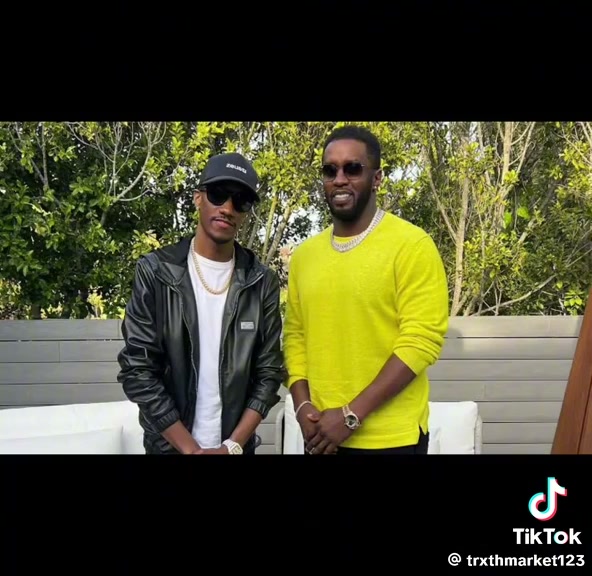
The internet has a way of connecting dots. Sometimes it reaches. Sometimes it doesn't reach far enough. The conversation happening right now around Zeus Network CEO Lemuel Plummer sits somewhere in between — and it's worth pulling apart, because the questions being asked go deeper than one man or one platform.
On TikTok and Twitter, Plummer has been labeled "Black Epstein." His father's reported ties to Israel are being highlighted. The platform he built — Zeus Network — is being reexamined through the lens of exploitation. And all of this is happening in a post-Diddy cultural climate where people are no longer willing to look the other way.
What Is Zeus Network?
For the unfamiliar: Zeus Network is a subscription-based streaming platform launched in 2018 by Lemuel Plummer. It operates in the reality TV space, built around social media personalities and influencer culture. Think of it as the raw, unfiltered cousin of VH1 — content that mainstream networks won't touch, packaged for a digital audience willing to pay monthly for the drama.
The platform's flagship franchise is Baddies — a sprawling series that now spans ATL, South, Caribbean, East, Midwest, and beyond. The formula is consistent: gather a cast of predominantly Black women, put them in a house or on a trip, and let the conflicts unfold. Physical altercations, verbal abuse, hyper-sexualized scenarios — it's all part of the product.
Zeus has also produced Joseline's Cabaret featuring Joseline Hernandez, which drew significant controversy when Hernandez was accused of physically assaulting cast member Big Lex during a reunion taping. The incident went viral and intensified scrutiny of the platform's treatment of its talent.
The Criticism: Exploitation Wearing a Black Face
The criticism of Zeus isn't new, but it's gotten sharper. Cultural commentators, Black feminist voices, and former cast members have all pointed to the same pattern: Zeus profits from depicting Black women in degrading, violent, and stereotypical ways.
Cast members have alleged that producers encourage — and in some cases stage — fights for content. The casting favors specific body types, often surgically enhanced, reinforcing narrow beauty standards that commodify Black women's bodies. The shows treat physical violence between women as entertainment rather than something to be condemned.
The uncomfortable irony is that Zeus is Black-owned. Plummer is a Black man running a Black-founded platform. But as critics have pointed out, Black ownership doesn't automatically mean Black-serving. The money flows up. The damage flows down. The women on screen take the hits — literally and figuratively — while the executive suite collects the subscriptions.
Some commentators have drawn comparisons to Blaxploitation films of the 1970s: Black faces on screen, questionable motives behind the camera, and content that reinforces stereotypes even as it claims to represent the culture.
The "Black Epstein" Label
This is where the conversation gets heavier. On social media — TikTok, Twitter, YouTube commentary channels — Plummer has been called "Black Epstein." The comparison to Jeffrey Epstein is rooted in allegations that Zeus systematically exploits young women for profit, and that the casting and production environment may involve coercive dynamics.
To be clear about what is and isn't established here: there are no known criminal charges against Plummer, no formal legal complaints that have been made public, and no credible investigative journalism that substantiates a direct comparison to Epstein's crimes. The label is provocative — it's meant to be. But it reflects a growing cultural willingness to name patterns of exploitation, even when the legal system hasn't caught up.
The label gained traction in the post-Diddy era. After Sean Combs' federal arrest in September 2024 on sex trafficking and racketeering charges, the public appetite for scrutinizing powerful men in Black entertainment changed permanently. People started asking harder questions about who else in the industry operates in the shadows. Plummer's low public profile — unusual for someone running a platform this visible — only fed the speculation.
The Israel Connection
Adding fuel to the conversation are claims circulating online that Plummer's father has ties to Israel. This detail has been amplified on TikTok and in online forums, with commentators using it to frame questions about who truly controls and benefits from certain Black entertainment platforms.
This is where the conversation requires the most careful navigation. The claim about Plummer's father is not verified through any mainstream biographical source or credible reporting. And the broader framework it's being placed in — that outside interests control Black media — can veer into conspiratorial territory if not handled with specificity and evidence.
What is worth examining, regardless of any individual's family background, is the structural question: who profits from content that degrades Black women? Who are the investors? Who sits on the boards? Those are legitimate questions that deserve answers grounded in facts, not speculation.
Why This Matters Beyond Zeus
The Zeus conversation is really a proxy for a much larger reckoning in Black entertainment. The Diddy situation cracked something open. People are no longer separating the art from the artist — they're examining the entire infrastructure. The labels, the platforms, the management companies, the streaming services, the reality TV pipelines.
The question at the center of all of it is this: when does opportunity become exploitation? Zeus defenders argue the platform provides economic opportunities and visibility to women who might not get platforms elsewhere. That the cast members are consenting adults. That the audience drives the demand.
Those are fair points. But they don't address the power imbalance. They don't address the allegations from cast members about unsafe conditions. They don't address what it means when the most profitable content on a Black-owned platform is Black women fighting each other on camera.
The culture is watching. And unlike previous generations, this generation has the platforms — TikTok, Twitter, YouTube commentary — to ask the questions in real time, to connect the dots publicly, and to demand accountability before the legal system does.
Whether the "Black Epstein" label is fair or premature depends on what comes next. But the conversation itself isn't going anywhere. And neither are the questions.